Project Highlights

Welcome to our erosion control project portfolio

Real Projects. Proven Results. A selection of completed projects that show the quality, expertise and craftsmanship we bring to every job.

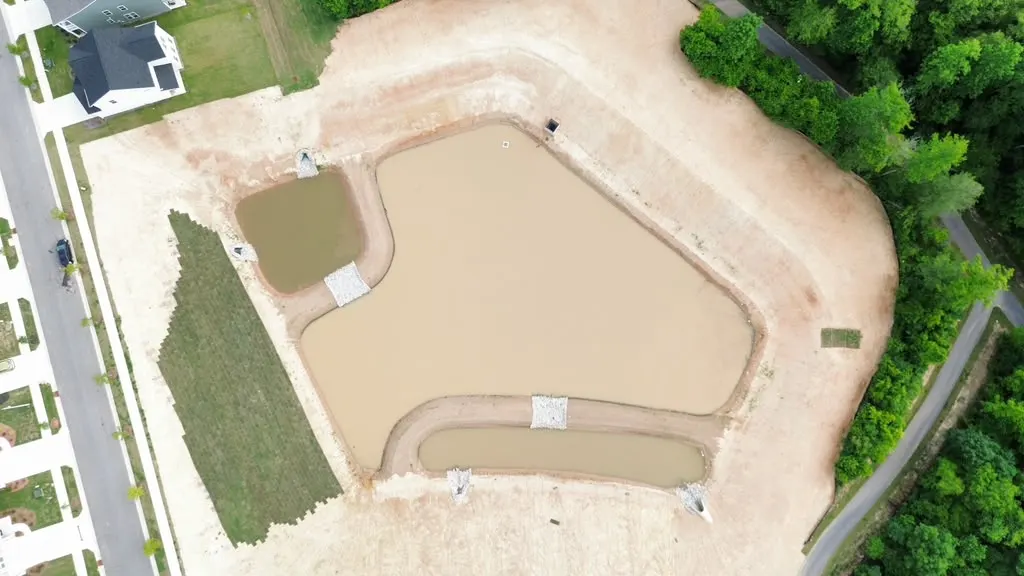
Stormwater Pond System — Pond Conversion

Pond Conversion

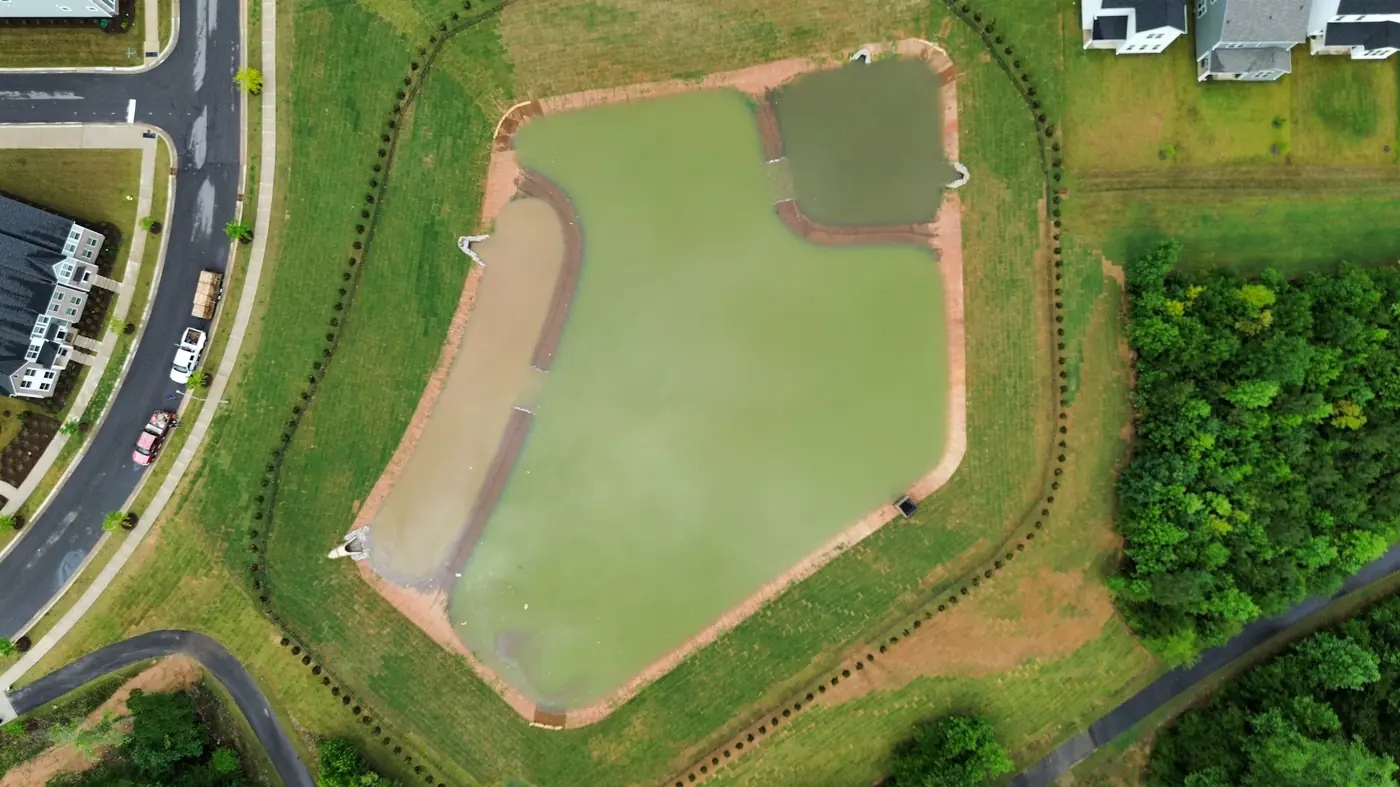
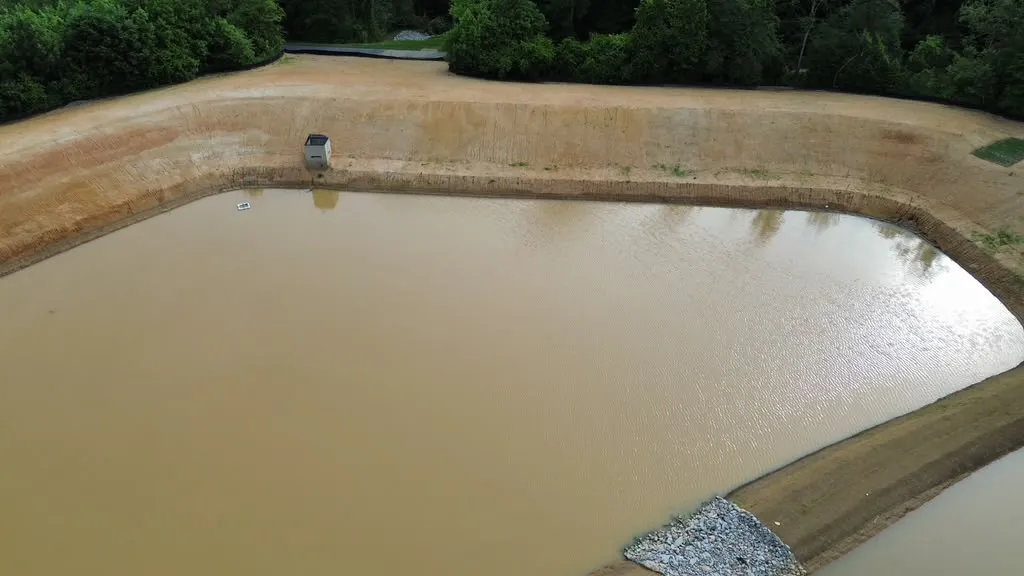
This pond conversion was carried out to meet the required design elevations and ensure long-term stabilization. To achieve compliance with project specs and long-term performance, the following measures were used:

  • Double net matting for slope stabilization.
  • Core matting at the bottom of the pond for additional reinforcement.
  • Permanent seeding to establish sustainable vegetation.

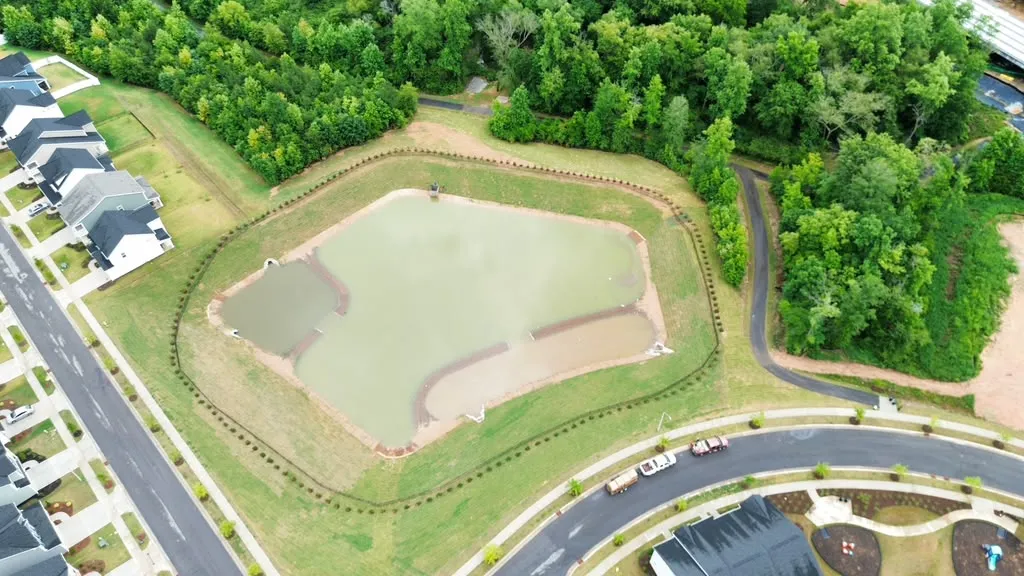
Together these manage stormwater, control erosion, support environmental resilience and maintain the structural integrity of the site — from a muddy excavated basin to a finished dual-pond system.
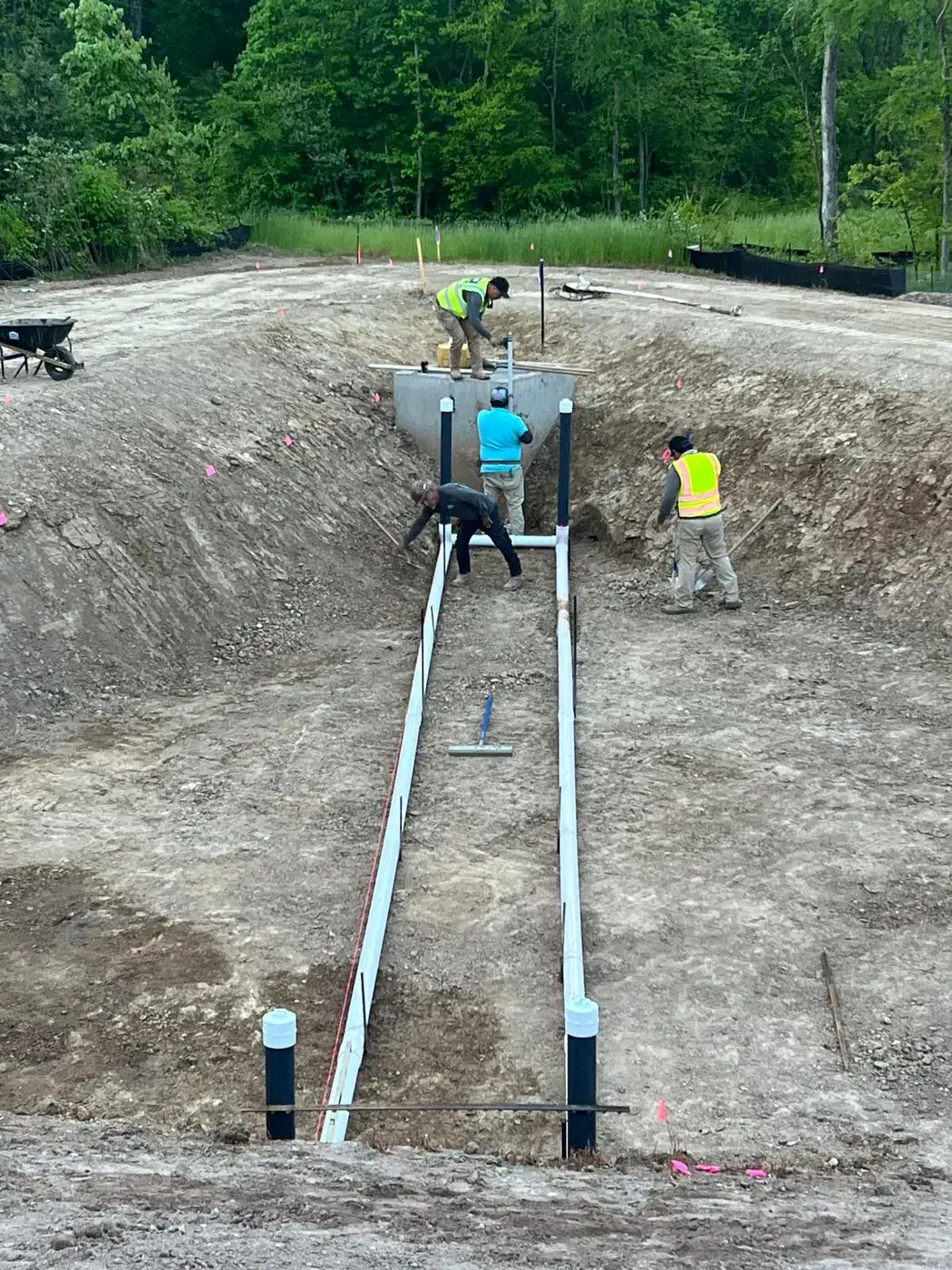
Team installing double net matting on a pond conversion project
Before
Aerial view of an unfinished, muddy stormwater pond before Delcid's work
After
Aerial view of the completed stormwater pond system after Delcid's work
Before
Aerial view of the excavated pond basin before grading and stabilization
After
Aerial view of the finished pond with established sod and matting

Bioretention Pond Conversion

Pond Conversion

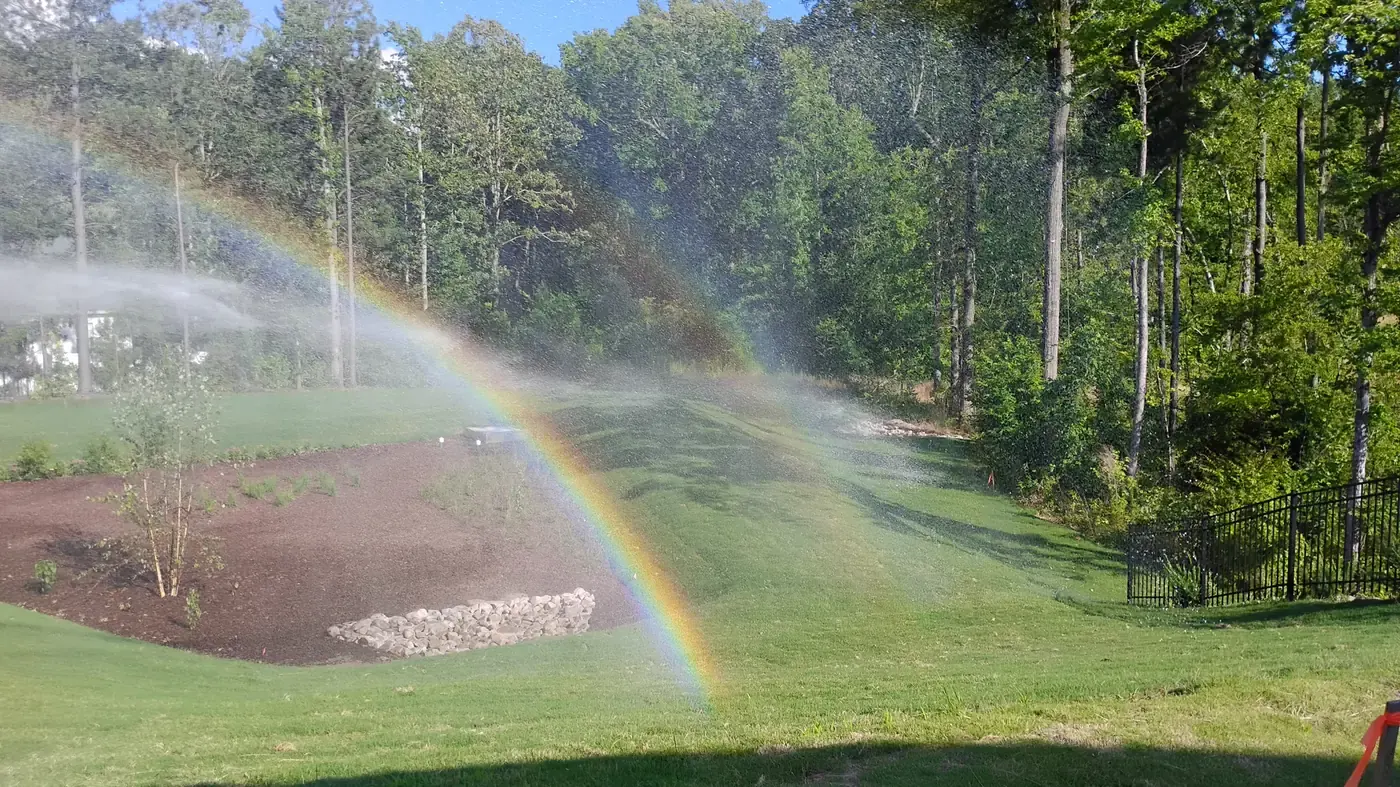
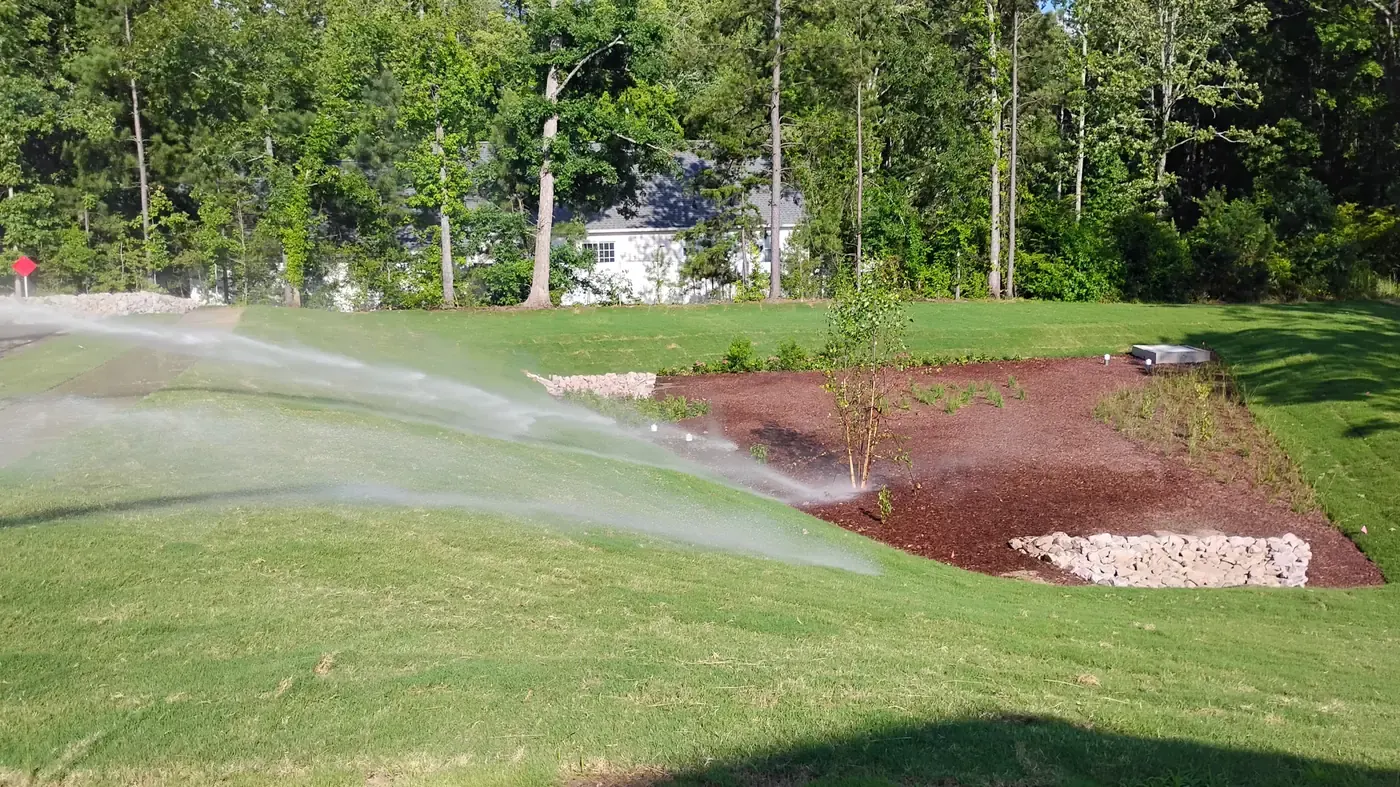
An eroded bioretention basin was regraded, piped and stabilized from bare, disturbed ground into a finished stormwater feature. Work included excavation and grading to design elevations, outlet pipe installation, permanent seeding and mulch beds with landscape plantings around the basin.

The result holds up through storm events while giving the neighborhood a clean, finished common area instead of an eroding ditch.

Finished bioretention basin with mulch beds and landscaping
Before
Team installing outlet pipe during basin grading
After
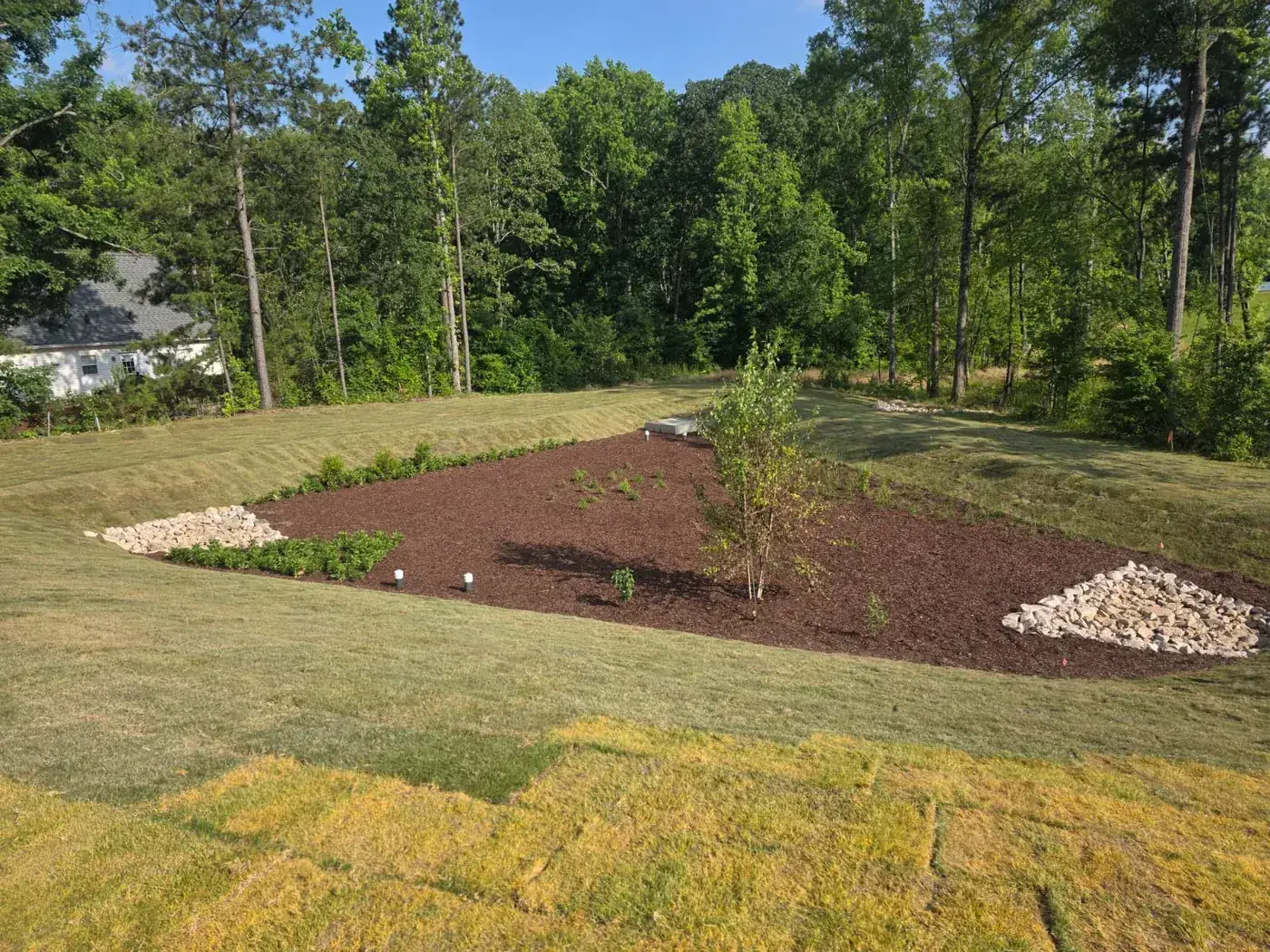
Completed bioretention basin with sod and landscaping after Delcid's work
Before
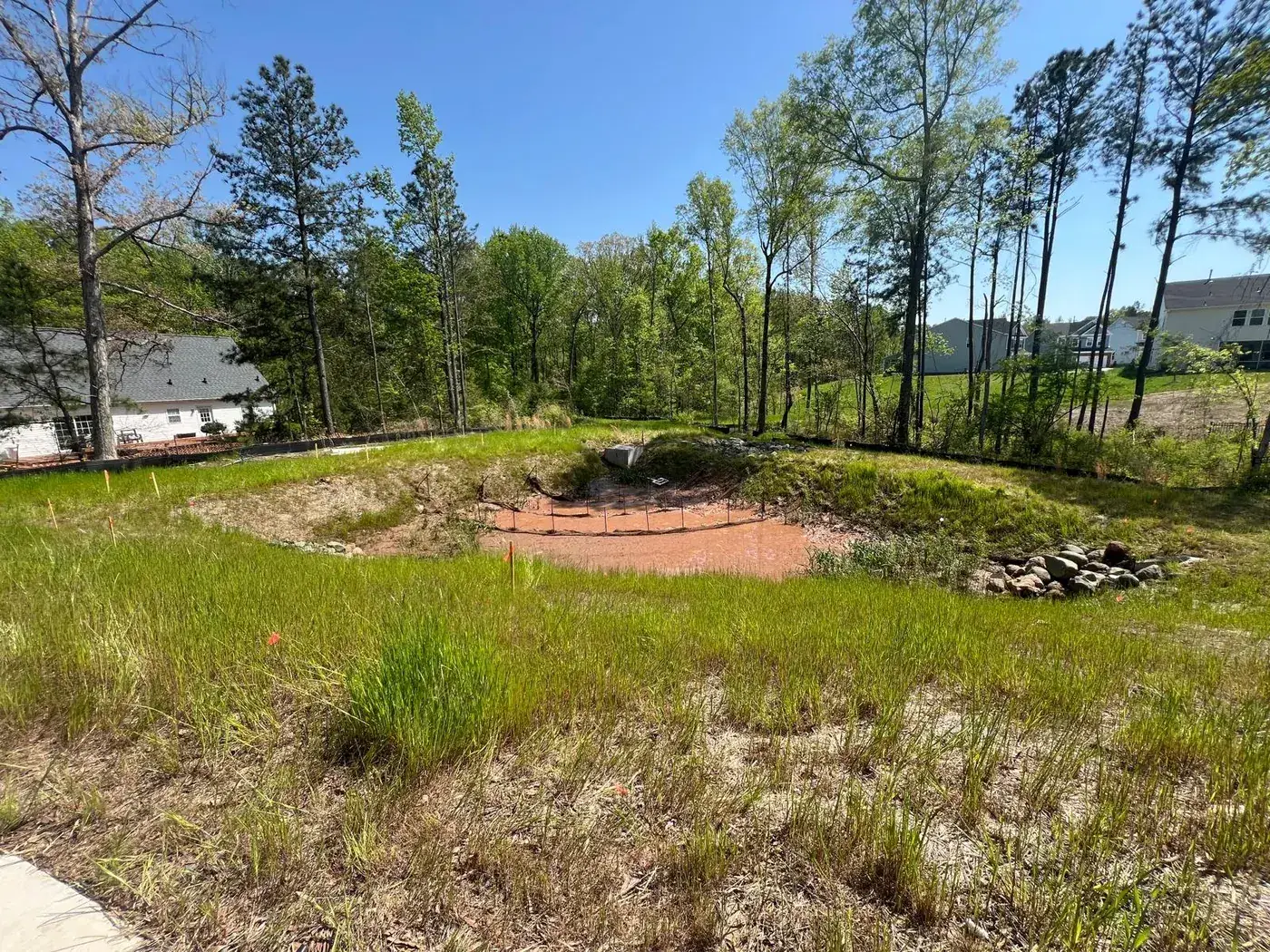
Bare, disturbed basin grade before stabilization work began
After
Finished basin with mulch beds and established sod

Stormwater Control System (SCM) Linking

Pond & Stormwater

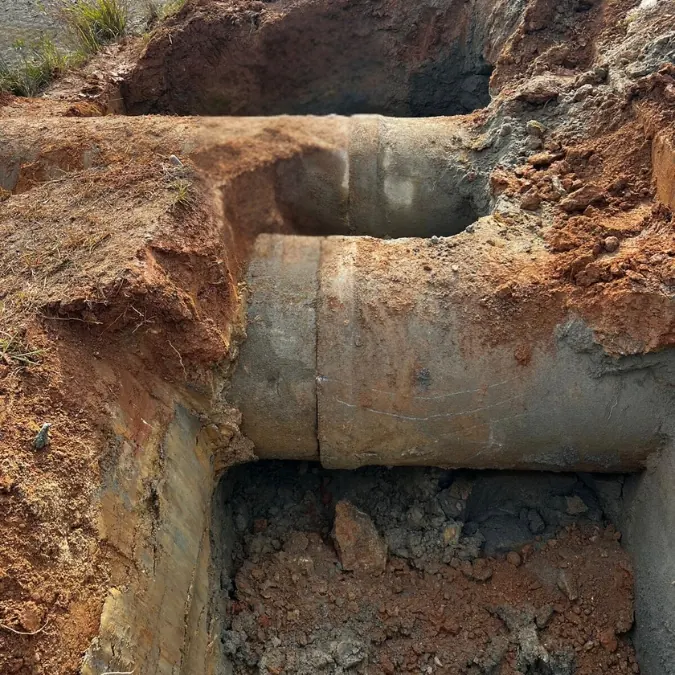
An inspection revealed a leak in the stormwater control (SCM) system. Upon excavation, water was leaking from the pond beneath the riser and from both 3-foot diameter reinforced concrete pipes (RCPs) at the outlets. The leak was traced to an unsealed joint about 5 feet from the riser, beneath the pond embankment.

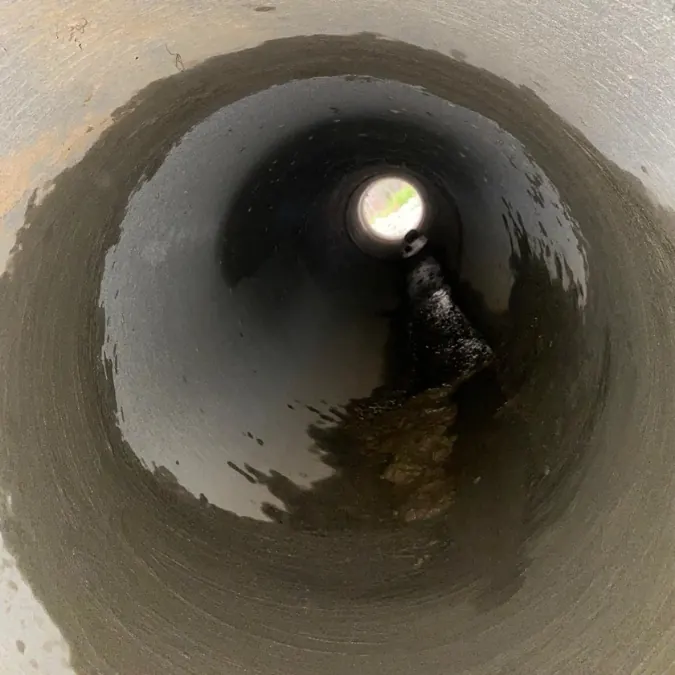
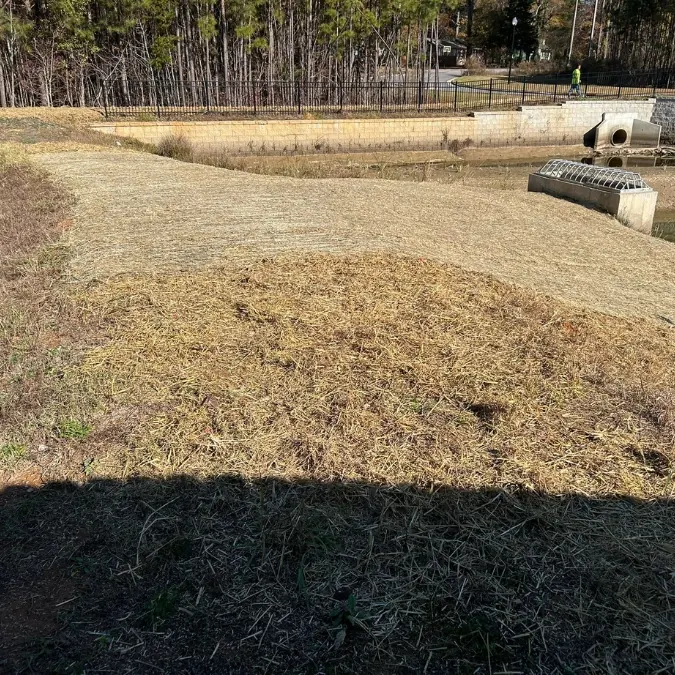
To address it, the joints around the riser and between the outlet RCPs were sealed with hydraulic cement. Finally the area was regraded and stabilized, and the project was completed.

Unsealed pipe joint before repair Interior of the stormwater pipe after sealing Stabilized area after the stormwater repair

Slope Stabilization

Site Stabilization

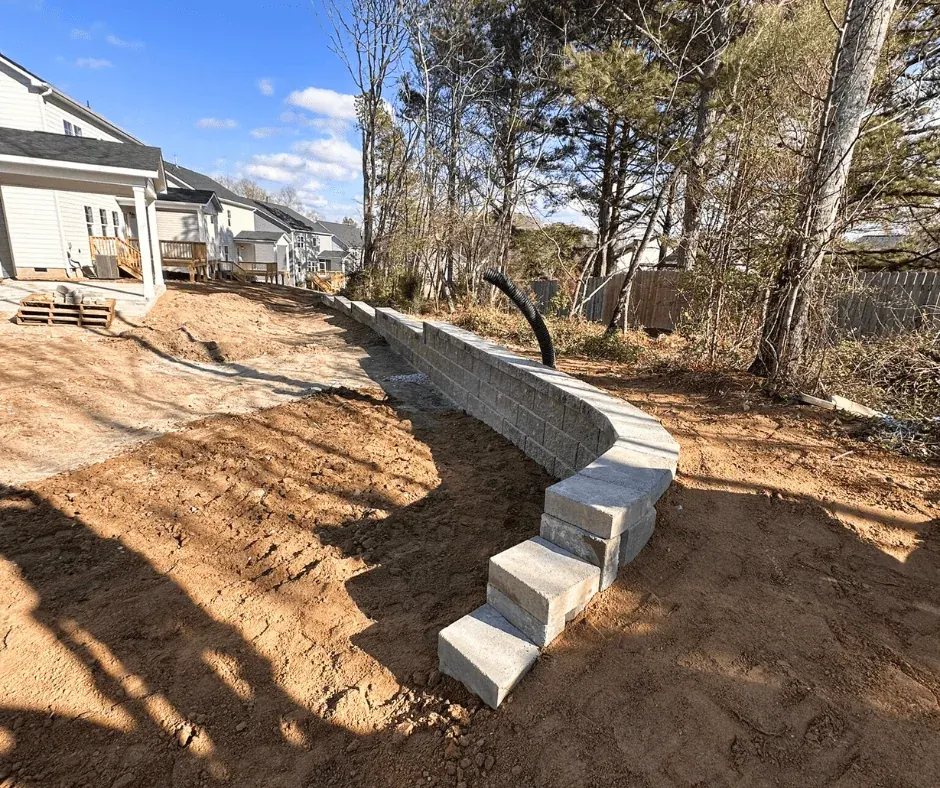
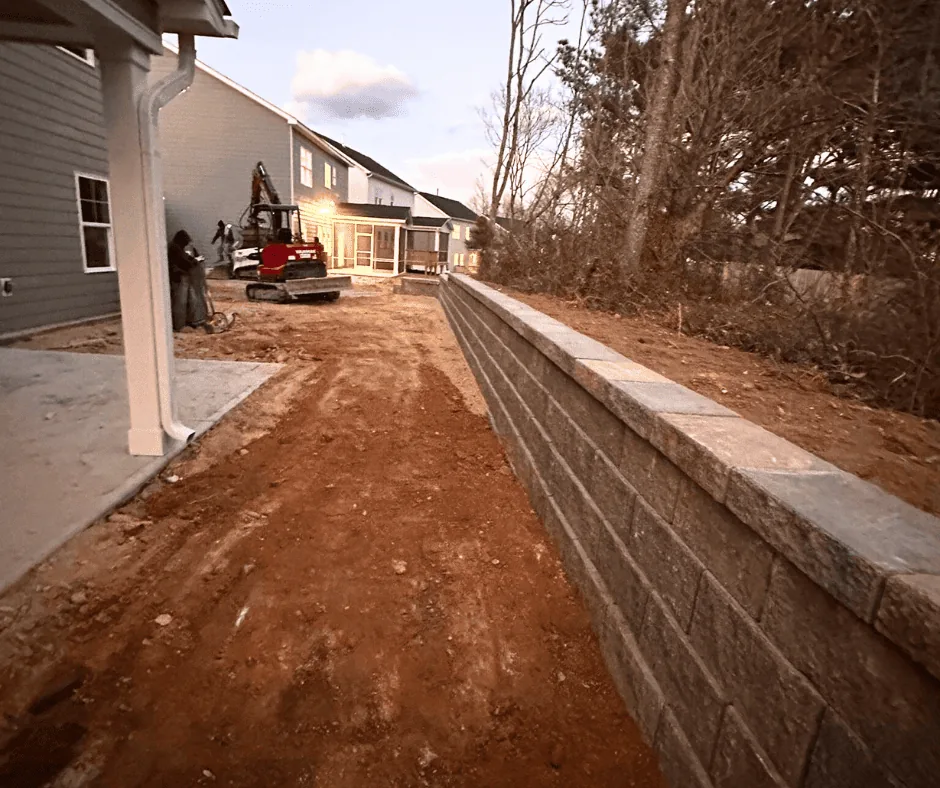
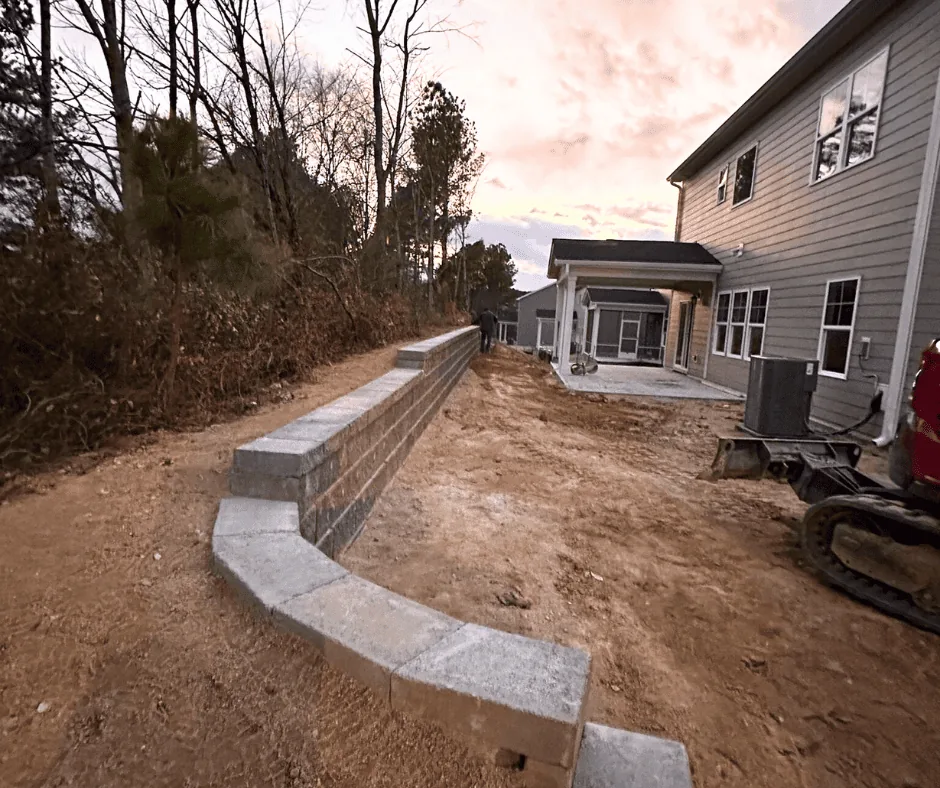
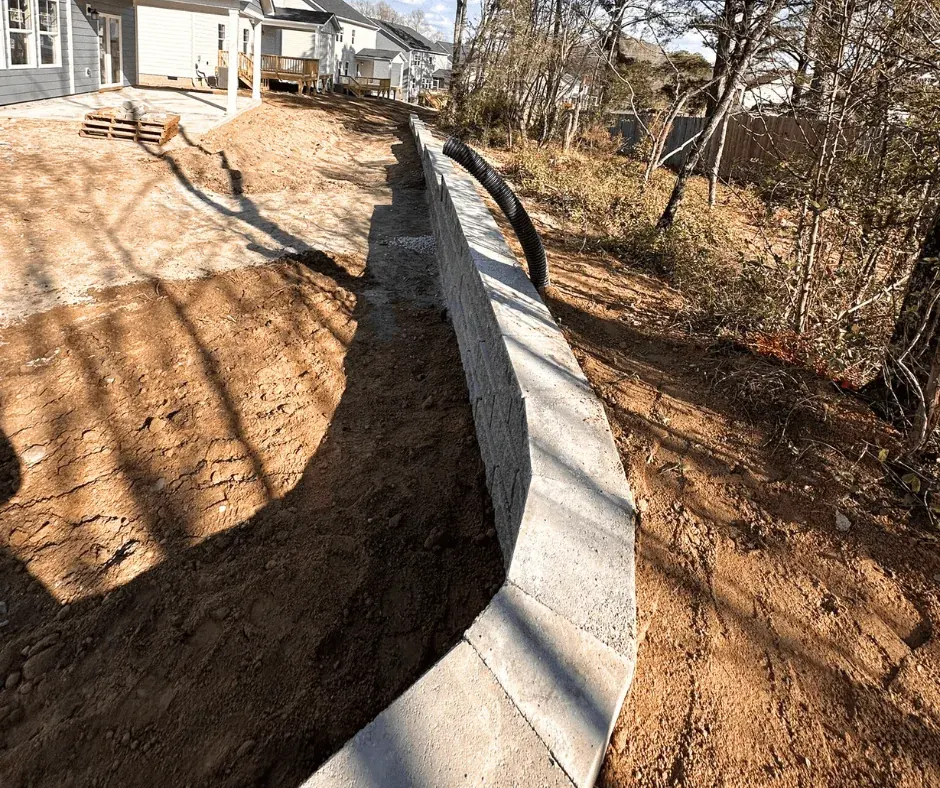
Slope stabilization is a range of techniques used to prevent landslides, collapses and erosion on slopes and embankments. The goal is to keep soil in place and minimize damage to surrounding infrastructure and the environment.

In this work you can see two small retaining walls:

  • A 5-foot wall, with 4 feet above ground and 1 foot of foundation.
  • A 3-foot wall, with 2 feet above ground and 1 foot of foundation.

Both walls include a French drain in the foundation and a clean-out with solid pipe that connects from the perforated pipe upward, leading into a T connection.

Curved retaining wall stabilizing a slope behind a North Carolina home
Retaining wall with French drain under construction Curved retaining wall stabilizing a graded slope at dusk Finished retaining wall stabilizing the slope behind a home

Water Valves on Urban Erosion Control

Stormwater

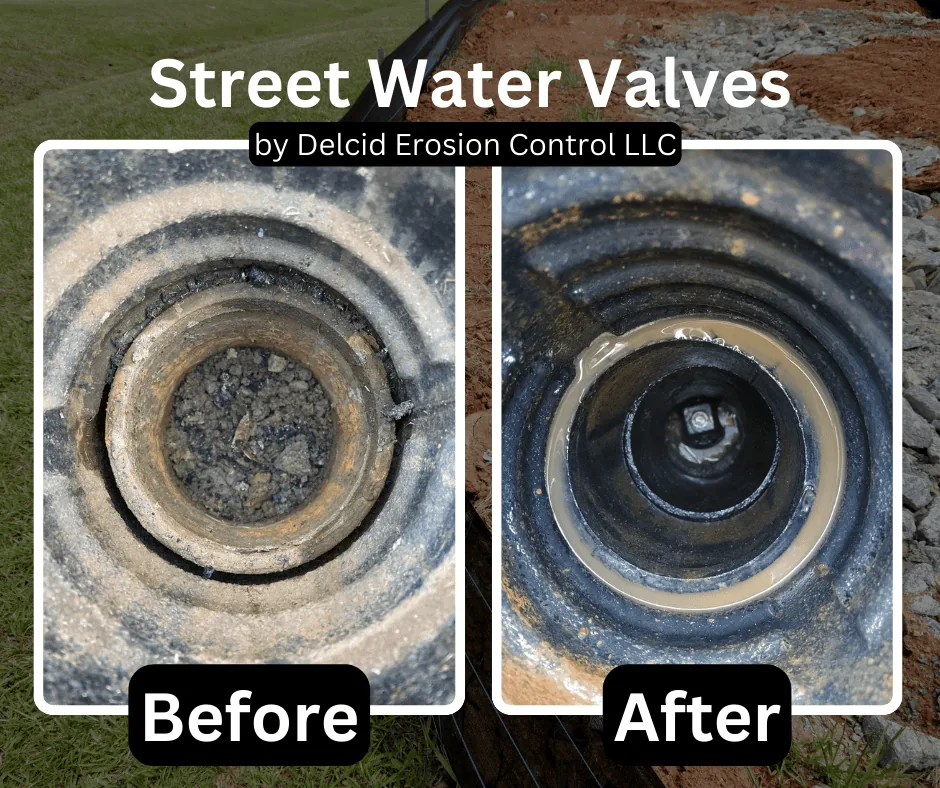
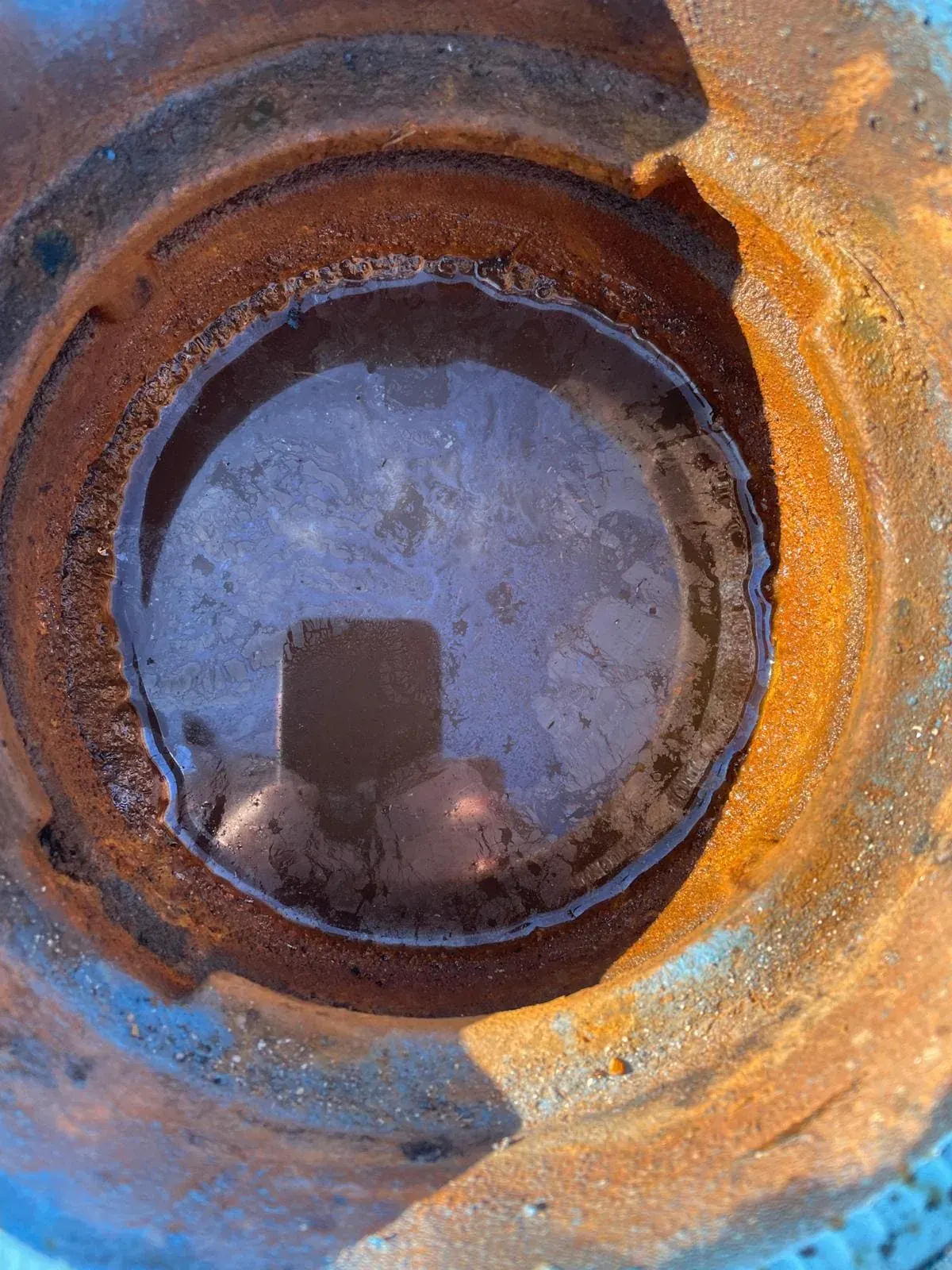
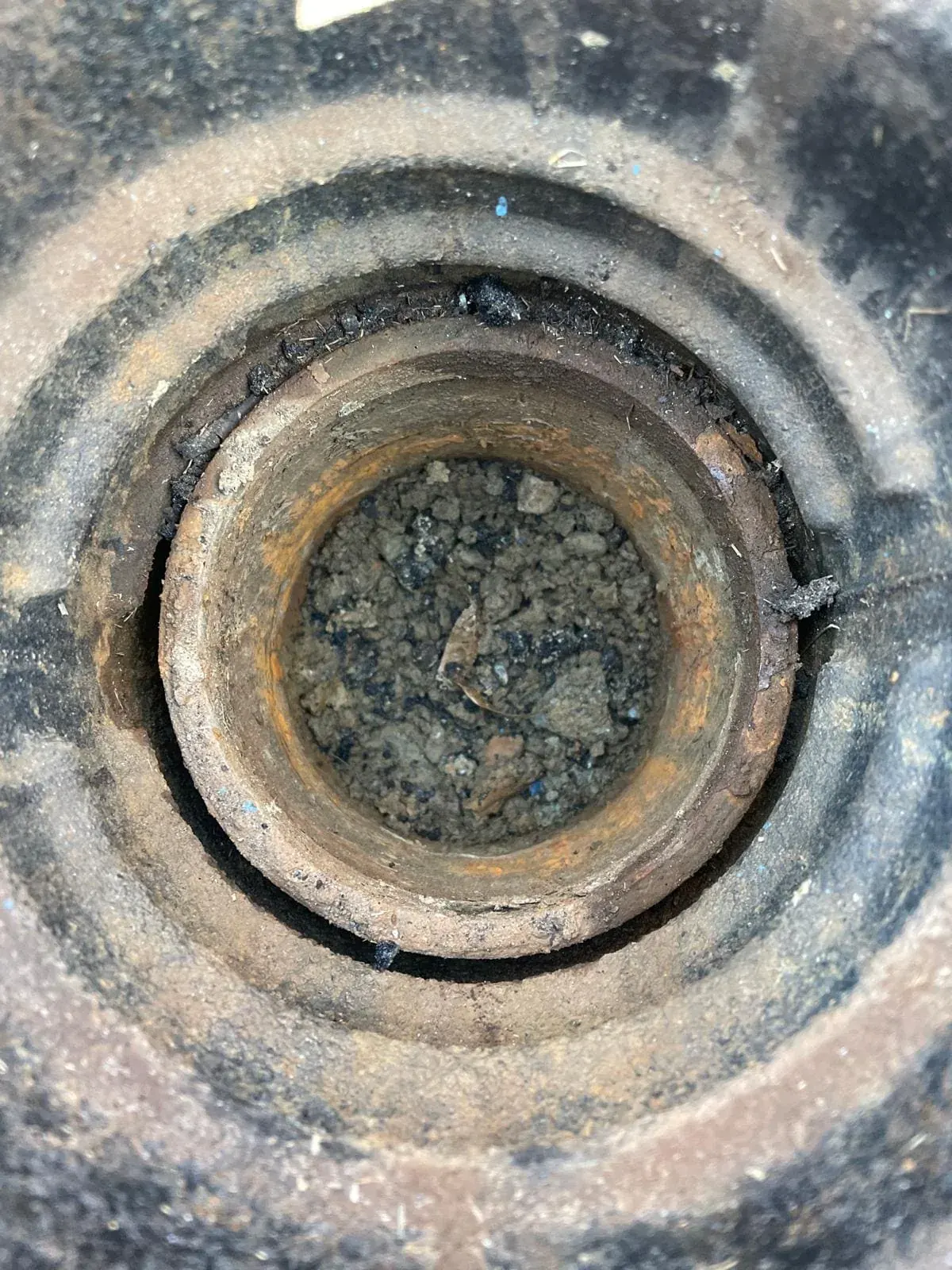
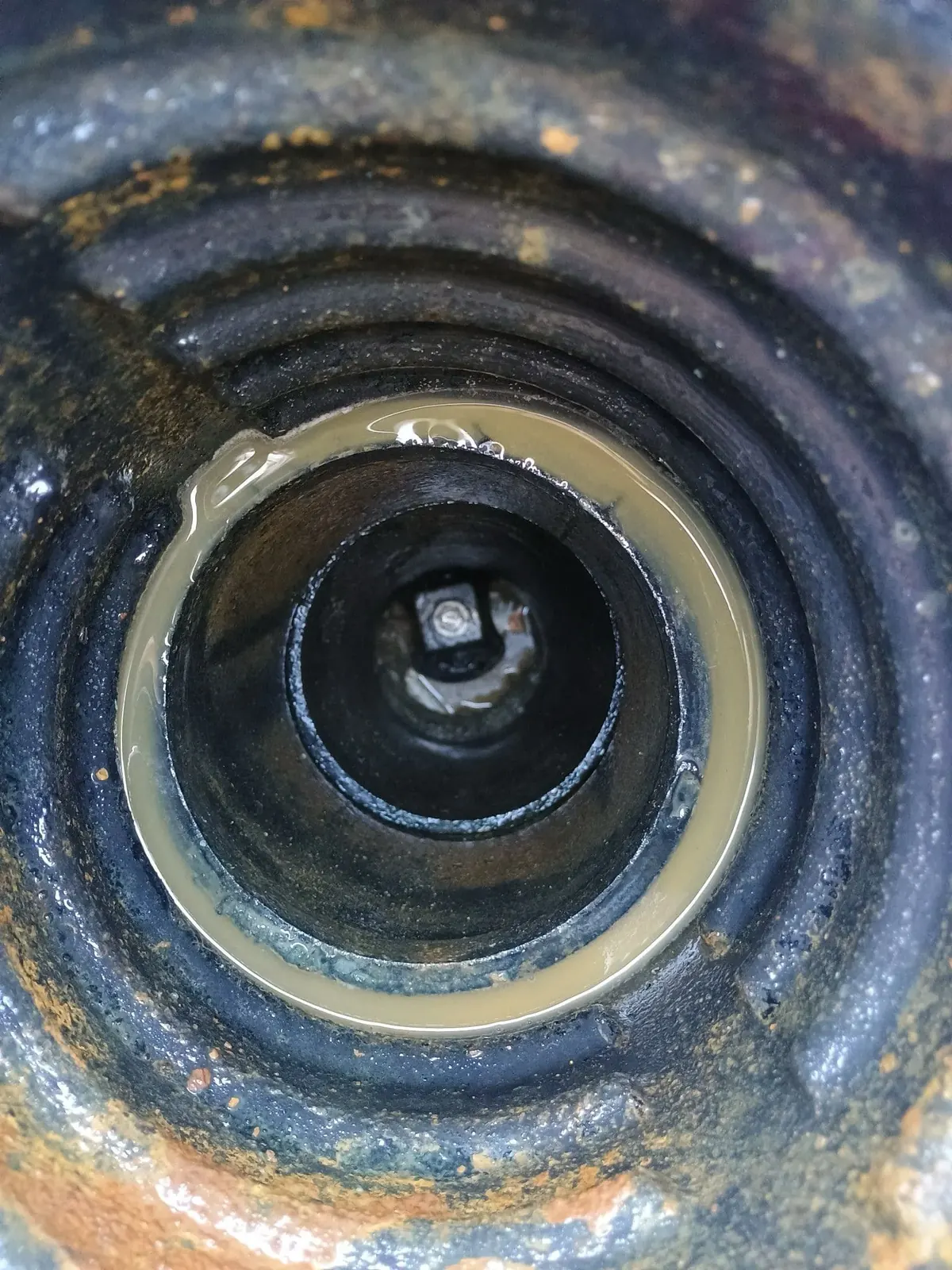
Blocked water valves due to debris can significantly affect the urban drainage system and increase erosion. When drainage is obstructed, stormwater flow is disrupted, water accumulates, and the risk of flooding and soil erosion rises.

For effective erosion control it is essential to keep drainage systems, including water valves, clear and fully operational. At Delcid we have the skilled team and the right tools to restore flow and deliver long-lasting results.

Before and after of a cleared street water valve
Close-up of a water valve clogged with debris before cleaning Close-up of the water valve after debris removal Cleared street water valve restoring proper drainage flow

Dissipator Pads

Erosion Control

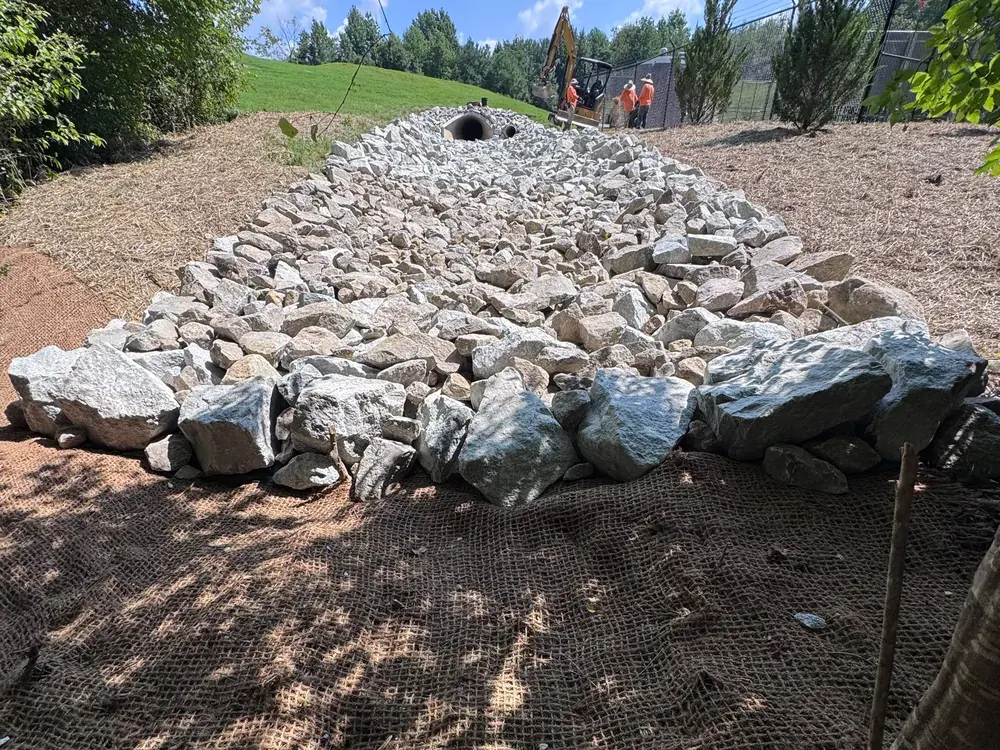
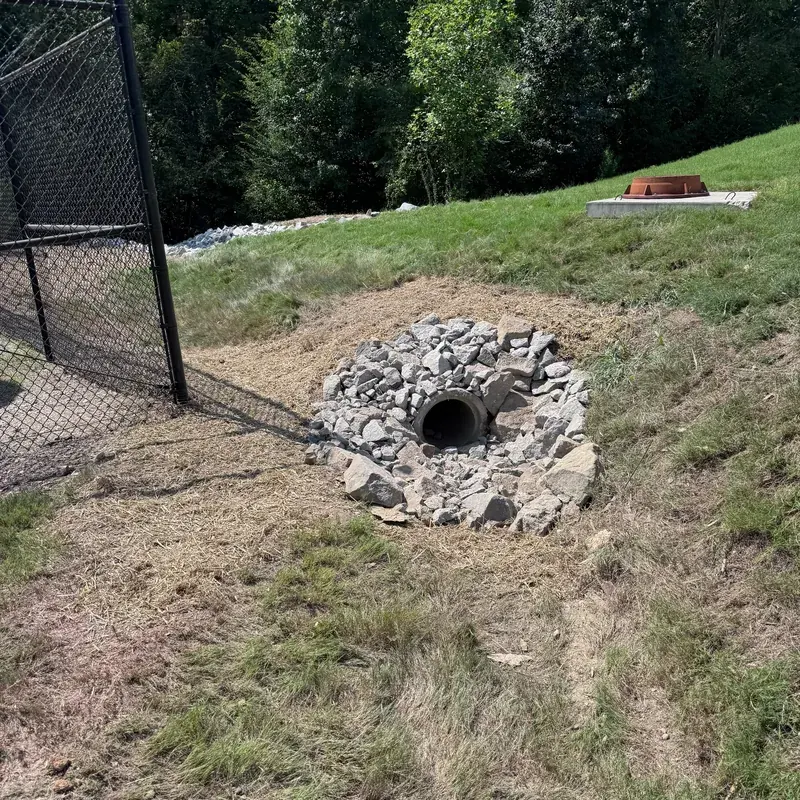
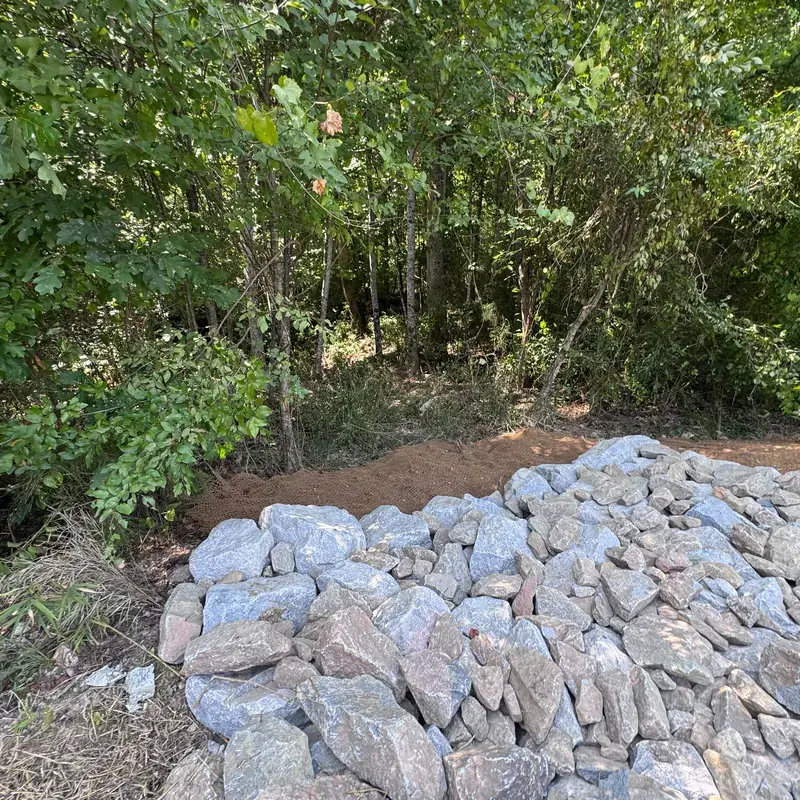
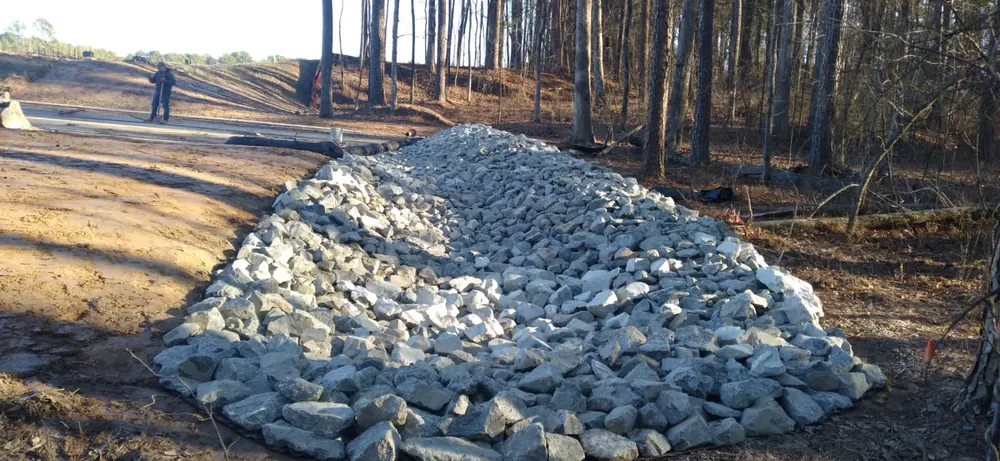
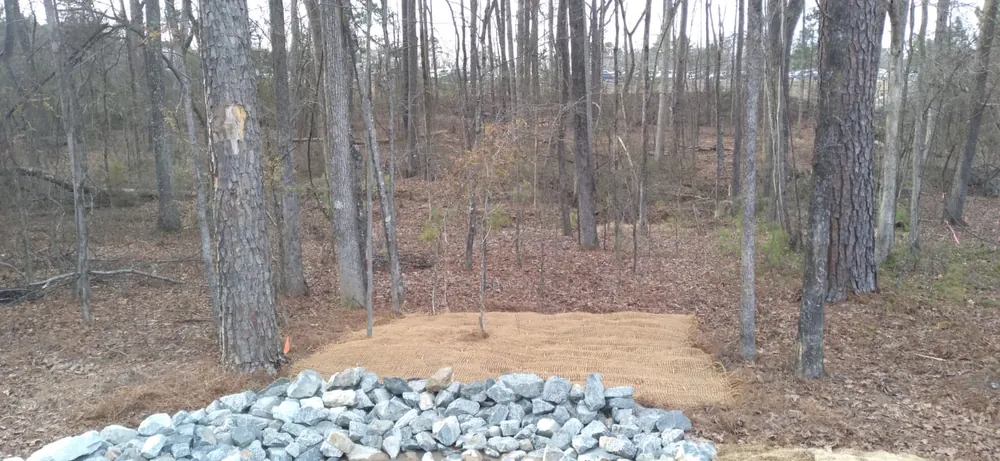
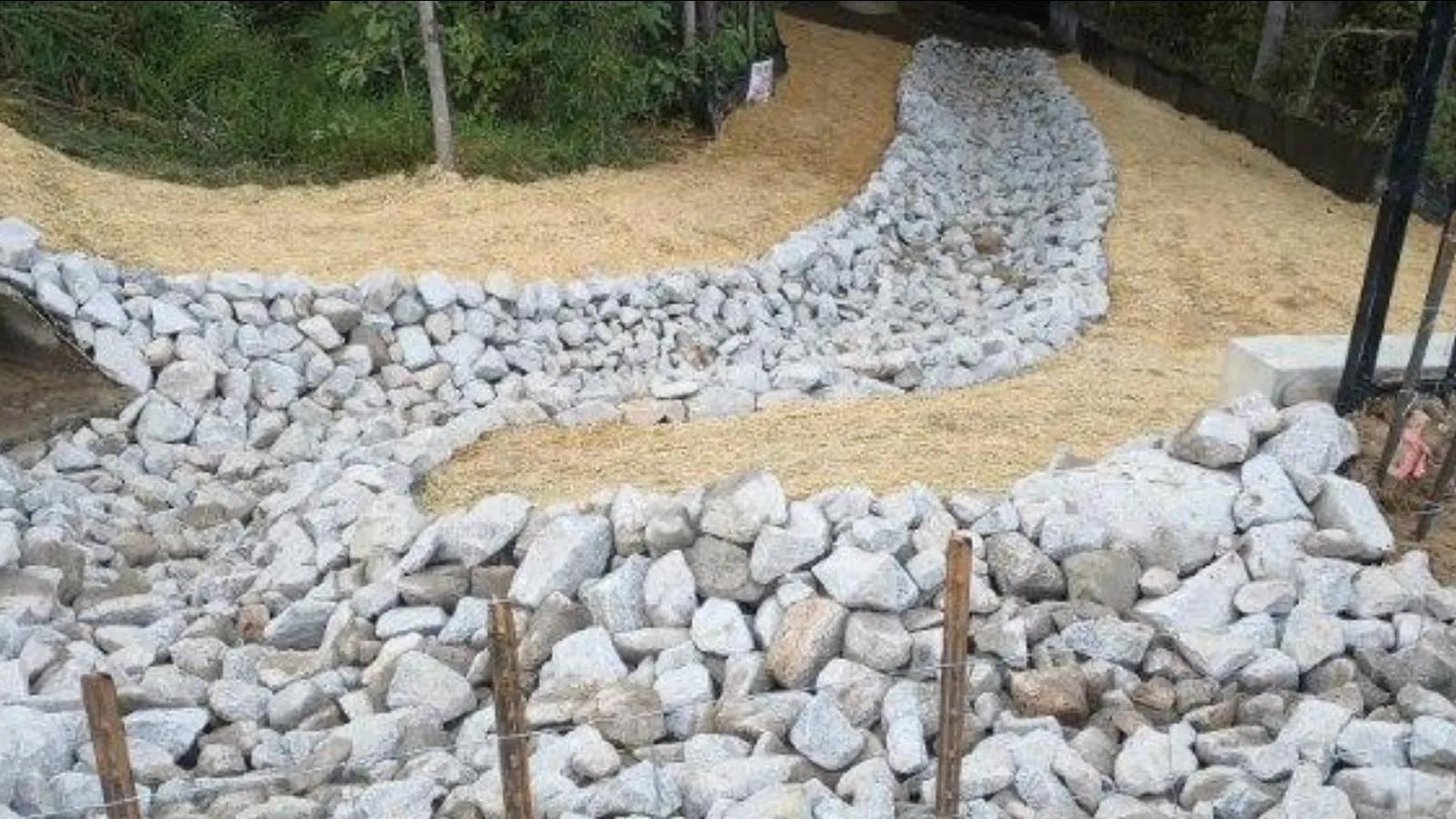
At Delcid we have the expertise to install dissipator pads that reduce water flow velocity and prevent erosion. Our technicians excavate the area based on the stone's size and classification, so the pads are installed to engineering specifications designed to withstand the force of water flow over the long term.

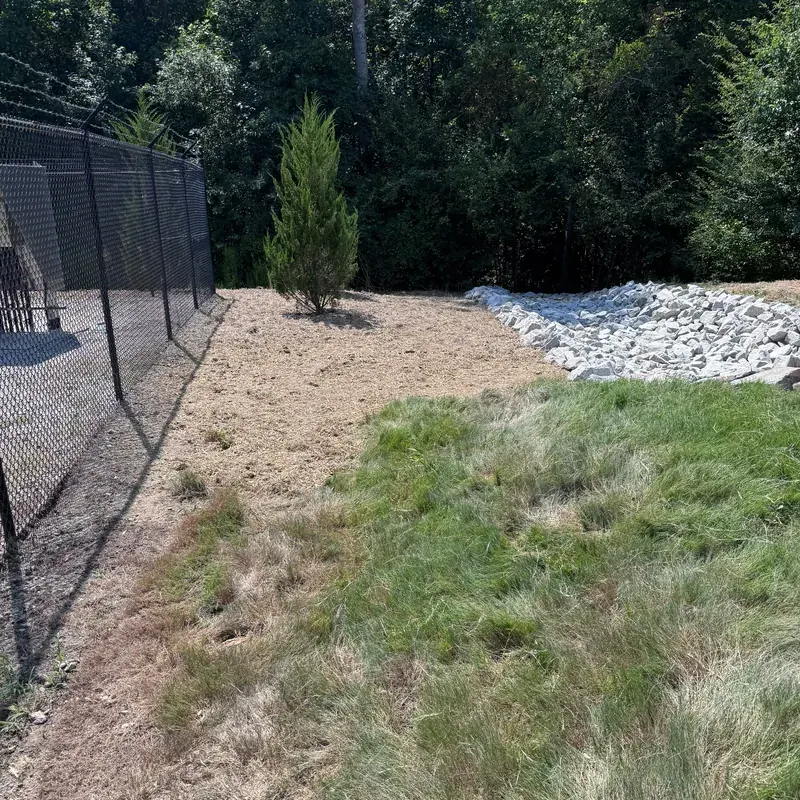
We use dissipator pads in applications such as swales, ponds, plunge pools and berms, delivering durable, efficient erosion control.

Newly installed rip-rap dissipator at a culvert outlet with the Delcid crew at work
Close-up of a finished stone rip-rap dissipator at a culvert outlet Rip-rap dissipator channel leading into a wooded buffer area Established vegetation alongside a stabilized rip-rap dissipator

Berm & Drainage System

Site Stabilization

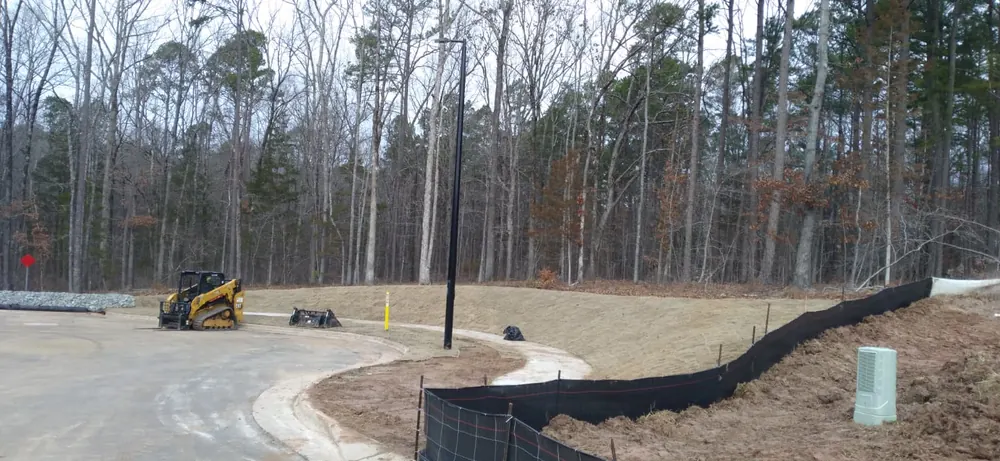
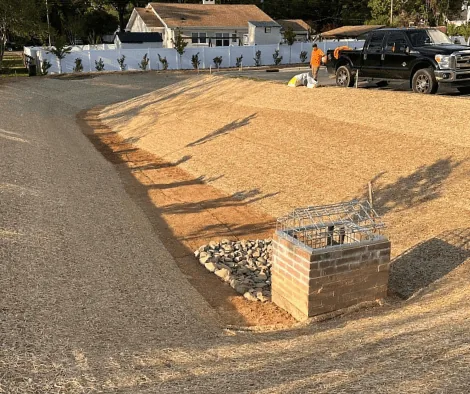
Two berms were built at the end of both streets, with lining and stone reinforcement to control runoff and prevent erosion beyond the Limits of Disturbance (LOD). Sod was installed throughout the surrounding common areas to stabilize the site and promote long-term vegetation.

A silt fence system protected the vegetated areas and stone installations, particularly due to adjacent undeveloped lots, and rubber wattles were added as a first line of defense to intercept sediment before reaching the stone. The system ensures controlled drainage, site stability and long-term erosion protection.

Berm and drainage system, wide view of the graded site
Stone reinforcement along the drainage channel Completed berm with stabilized surface Rip-rap reinforcement at the berm outlet

Let's build your next site-ready solution.

Reach out to schedule a meeting and discuss how we can support your next project.

Call Now Email